The internet will only get bigger and better. Or, that’s an impression you get from reading some of the reports compiled by the likes of Boston Consulting Group, McKinsey and any of the organizations looking at the impact of the Internet on our future economies. These reports are looking at the future of our economies, in developed and emerging markets, and are calling for greater digital innovation to harness growth, productivity and employment, using the internet as the catalyst for change.
I support this view: communications have become faster and more frequent, business can be conducted globally across different geographic and timezone barriers, and our digital lives are more convenient and personalized than ever. The opportunities for future digital innovation are endless.
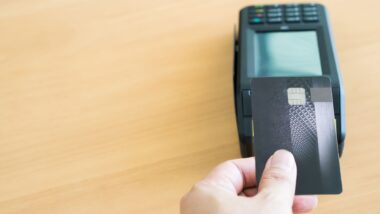
However, there are still challenges to be overcome; large-scale, highly public security breaches run the risk of shaking consumer confidence in online transactions, potentially limiting if not stalling growth. Just look at the recent Global Payments data breach, compromising the security of millions of Mastercard and Visa credit card details. While the introduction of credit cards represents progress on paper checks in the battle against fraud and forgery, more security is needed, especially when considering that the US accounts for 47 percent of global card fraud even though it generates only 27 percent of the total volume of purchase transactions. We are already working hard to educate on the need for Chip and PIN security in payments but the US and other large countries still have a way to go compared to the progress made in EMV’s heartland in Europe.
Adopting EMV will certainly reduce the amount of card and payment fraud currently taking place. But we need to stay one step ahead of fraudsters, who will certainly use ever more sophisticated tricks and tools to steal and defraud consumers, while embracing the digital innovation as part of our internet economy. I believe the balance will lie between security and convenience. This is where the potential of mobile payments comes into play.
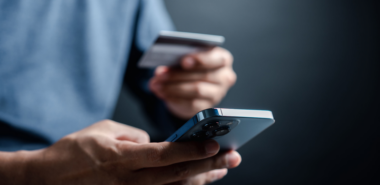
A key tool for combating fraud is multi-factor authentication. Something you know, something you are and something you own. Well, with mobile devices, multi-factor authentication becomes much more convenient. Imagine, instead of having to enter random characters from a verification program taken from a piece of dedicated hardware, being able to authenticate via NFC communications using your smartphone. Or, authenticating your payment online using biometrics or a smart outlet authenticator to guarantee your ID. There are many possibilities and some innovative applications are just coming on to the market.
But don’t cut up your cards just yet – the digital journey has only just started. More innovation in finding the balance between security and convenience will continue to boost the development of the Internet economy, giving people the security to be free to transact online safely.